
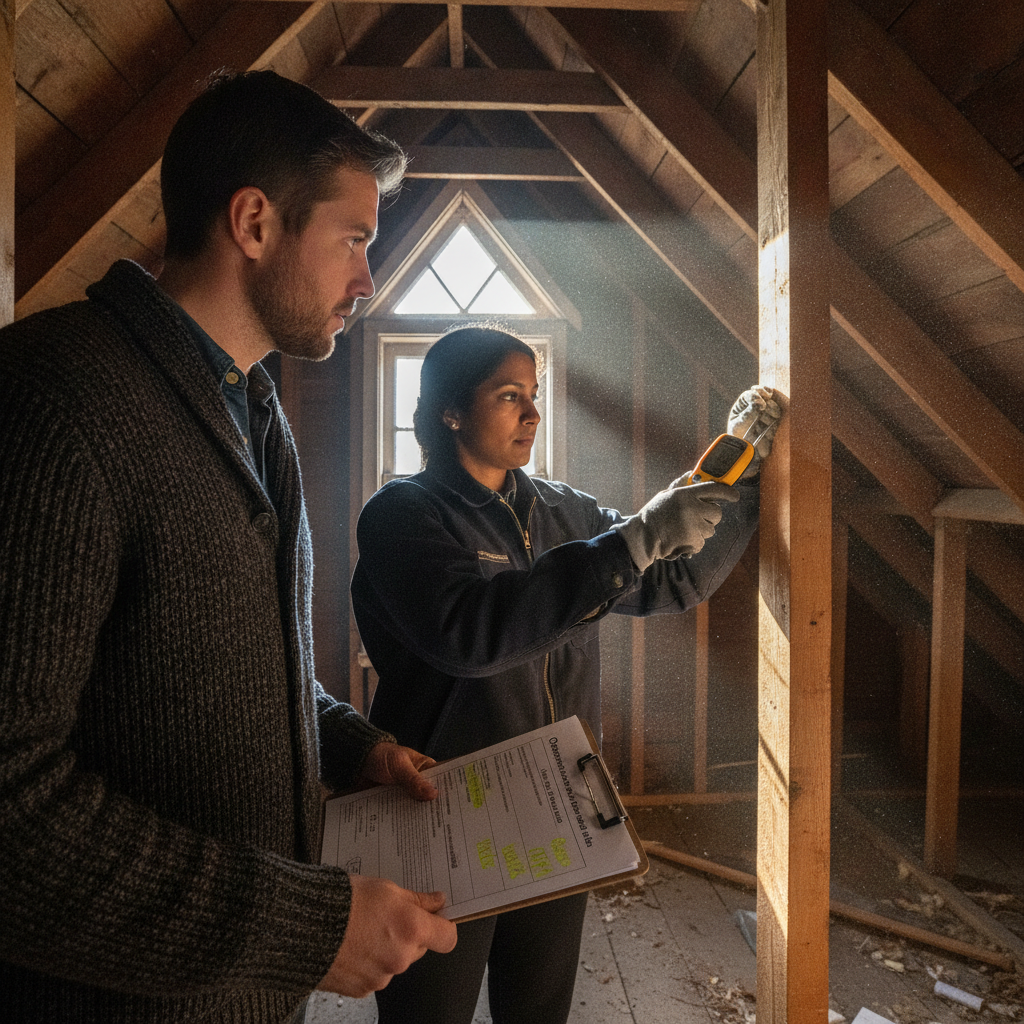
Buying a power of sale Ontario property safely requires you to secure unconditional financing early, understand the seller’s right of redemption, and accept that the home is sold strictly in as-is condition.
With active GTA power of sale listings up 59% year-over-year in mid-2026, the hunt for distressed properties is on. A massive wall of over $200 billion in Canadian mortgages is set to renew this year, and many homeowners are facing a painful 40% to 60% payment shock. Ontario’s 90-day mortgage delinquency rate has jumped 52% year-over-year to 0.36% in the first quarter of 2026. This means more lenders are taking control of properties to claw back their funds. But before you jump on what looks like a killer discount in Milton, you need to know that these transactions do not work like a normal home purchase.
1. Understand the Legal Reality of the Mortgages Act
Under Ontario’s Mortgages Act, a defaulting homeowner retains a right of redemption. This means the borrower can pay off their arrears, fees, and interest to stop the sale at any point before the transaction officially closes. If they manage to scrape the money together the day before your scheduled closing date, your deal is dead. The lender will walk away, hand you back your deposit, and you are left out of pocket for home inspections and legal fees. It is a unique risk that simply does not exist in a standard home sale.
2. Decode the Dreaded Schedule A Power of Sale Clause
When you buy a power of sale home, the bank will force you to sign a custom Schedule A. This document completely rewrites the standard Ontario real estate agreement. It states that the property is sold as-is, where-is. The bank makes zero promises about whether the appliances work, if the roof leaks, or if there is structural damage. If you move in and find out the previous owner ripped out the copper pipes, you have no legal recourse. You cannot sue the bank. This is why getting a thorough home inspection is vital, even if you have to pay for it on a deal that might fall through.
3. Arrange Specialized Financing
Getting a mortgage for a power of sale Ontario home is tougher than a regular purchase. Standard lenders hate risk, and a property sold as-is raises massive red flags. If the appraiser notes significant damage, a prime lender might refuse to fund the deal. For example, if you are looking at a fixer-upper, you might need to look at bad credit mortgages or private lending options to bridge the gap.
Remember the strict Canadian mortgage rules. If the home is priced under $1.5 million, you can still get an insured mortgage, but you must meet the minimum down payment. For a $1,000,000 home, that means a minimum down payment of $75,000 (5% on the first $500,000 and 10% on the remaining $500,000). If the price is $1,500,000 or more, default insurance is completely off the table, and you must put down a full 20%.
4. Prepare for the Appraisal Hurdle
Your lender will require an appraisal. Because the bank selling the home is legally obligated to get fair market value, they cannot just dump it for cheap. But if the property is in rough shape, the appraiser’s valuation might come in lower than your purchase price. If that happens, you have to cover the shortfall out of your own pocket. If you need temporary funds to close while you sort out renovations, bridge financing might help, but you must have a clear exit strategy.
5. Work with an Experienced Team
Do not try to do this with a rookie real estate agent or a lawyer who only does standard suburban closings. You need professionals who eat, sleep, and breathe distressed properties. At Canadian Mortgage Services, we have been working with over 40 lenders since 1988 under FSRA Brokerage License #10816. We know exactly which lenders will look past a cracked drywall and which ones will run the other way. If you are shopping for a home in the western GTA, our team at our Milton mortgage broker office can help you pre-qualify and assess the property’s financial viability before you sign anything.
Comparing Standard Purchases vs. Power of Sale
| Feature | Standard Home Purchase | Power of Sale Purchase |
|---|---|---|
| Seller Warranties | Seller guarantees appliances, fixtures, and no known defects. | Bank guarantees absolutely nothing (“as-is, where-is”). |
| Deal Certainty | Extremely high once conditions are waived. | Risk of “Right of Redemption” cancelling the deal up to closing. |
| Financing Ease | Standard approval process with typical appraisals. | High risk of appraisal shortfalls or lender rejection due to condition. |
| Price Discount | Negotiated based on market value. | Often close to market value due to lender’s legal obligations. |
Our Take
Our take: Power of sale properties are rarely the screaming bargains people think they are. Lenders are legally required to list them close to market value to protect the original homeowner’s equity. Once you factor in the cost of repairs, the legal risks of the right of redemption, and the potential for appraisal shortfalls, you might only save 5% to 10% compared to a hassle-free standard listing. If you are a first-time buyer looking to use a 30-year amortization, stick to clean, newly constructed homes or standard listings where your closing date is guaranteed.
A Realistic Scenario
Picture an investor looking at a power of sale home listed for $1,200,000. They plan to put down the minimum required down payment of $95,000. They complete their inspection and find $40,000 worth of mould damage in the basement. A traditional bank refuses the mortgage because of the habitability issue. The investor has to scramble to secure a private first mortgage at a higher rate just to close the deal, planning to refinance once the repairs are completed. It works, but it requires deep pockets and a team that can move fast.
Frequently Asked Questions
What is the difference between foreclosure and power of sale in Ontario?
In a foreclosure, the lender takes legal ownership of the property and keeps any profit from the sale. In a power of sale, the lender sells the property but must return any surplus equity to the homeowner after paying off the debts and legal fees.
Can the owner stop a power of sale at the last minute?
Yes. Under the Mortgages Act, the homeowner has a right of redemption up until the moment the transaction closes. If they pay off the outstanding balance, the sale is cancelled.
Do I need a larger down payment for a power of sale home?
Not necessarily, but if the property is in poor condition, standard lenders might refuse to fund it. This could force you to use private lenders who typically require a minimum 20% down payment.
What happens if the house is damaged before closing?
Because of the Schedule A clauses, the risk is almost entirely on the buyer. If the previous owner damages the property before moving out, you may still be forced to close without compensation from the bank.
Ready to explore your options?
Weighing a distressed property purchase? Talk it through with us. Contact us or call 905-455-5005, no obligation.
About the Author: Neil Drepaul in
 Neil Drepaul is a Co-Owner and Mortgage Broker at Canadian Mortgage Services. With over 13 years of experience in the Canadian lending industry, Neil brings a strong entrepreneurial spirit to every client interaction. He specializes in helping homeowners and buyers find mortgage solutions that fit their real-life goals, not just their paperwork. His approach is straightforward: serve others first, and success follows.